
We're building Datum’s cloud for true scale, but when it comes to activating our brand and attracting the right humans to our mission, we go in the opposite direction.
I'll admit it: we're "all in" on unscalable marketing.
Some of this is based on our team's personal experience. Earning trust with hard to reach infrastructure buyers is difficult, and a more intimate, referral-based process just works better. But our approach goes beyond intuition for this admittedly niche audience. There's even some research on the topic!
Ever since I read "The Law of Shitty Clickthroughs" I've been a big fan of a16z's Andrew Chen. Last year he picked up the topic again on why every marketing channel sucks. Can't argue with his logic: as a channel gets crowded, costs rise and returns fall, until the only durable edge left is the brand itself.
A good example in the wild today is startup websites. When each one looks like its neighbor (AI slop headline included), they lose their impact and value. I’m pretty sure many of these cookie-cutter websites and pitch decks are actually net negatives for startups, eroding brand trust faster than new fans can be acquired.
From intuition to strategy
When a channel starts working, everyone piles in and the playbook gets copied. It doesn’t take long for tactics that felt clever last year to quietly become table stakes this year (think Instagram reels and AI generated “what I learned about B2B sales” posts on LinkedIn). That's the road most folks take, and on paper it makes sense. It's measurable, it scales, and it feels safe. Call it going right.
Going left means choosing the less traveled path on purpose. Instead of buying attention you try to earn it by trying harder. Instead of optimizing a funnel you invest in a relationship that might not pay off for years. While you give up efficiency and predictability, what you (maybe!) get back is something a competitor can't copy, mainly because it was never for sale in the first place.
We've known that early-stage companies are the ones best positioned to go left, and this is the part people tend to miss. When your audience is small and specific, you don't need reach, you need depth. We aren't trying to touch a million people. We're trying to matter to a few hundred of the right ones. That changes the whole calculation. At this stage a founder can still write every thank-you note by hand and show up to every small event in person. A hundred-person growth team can't, and a large incumbent can't credibly fake the intimacy even if it wanted to. So the thing that looks like a disadvantage, being small and early, is exactly what makes the unscalable work possible. That window doesn't stay open forever, which is a big reason we're leaning into it now rather than waiting.
Faced with this reality (and a deep, visceral commitment to playing the long game with each of our prospects) we believe the answer is to dig into the creative process and sacrifice efficiency in favor of slow, steady impact.
How unscalable looks in practice
Brand is a critical part of the product experience and should never be stagnant. The world changes, we change, and our users and customers change, but building trust still takes time. This is especially true with infrastructure products.
So what is a growth-focused, little-known startup to do? Our approach is to get creative! That's why we don't focus on billboards or generic ad campaigns, but instead devote energy to intentionally unscalable activities that have a better shot of creating a durable connection. In short: expect the unexpected!

To guide our work, we follow the 70-30 mix (this may sound familiar from my blog last year). We spend 70% of our energy and money on the few things that we really believe pay off, and use the remaining 30% to experiment. Our 30% goal is all about finding something new to add to the core bucket, which is a big ask. Over time, we've also found that the willingness to experiment builds important muscle that we apply to everything we do. As a longtime agency gal, resisting the urge to "optimize and scale" is hard, but our experimentation budget makes it a lot more natural.
Here are five examples at play in our world today.
First up, illustrations
I've always had a soft spot for illustrations, which combine storytelling with artistry. As a creator, you really have to think about what you're trying to communicate, but when done well it can really help you stand out. Honestly, fly.io runs a great platform, but it's their illustration style and tone of voice that keep me coming back.
We started finding our illustration vibe early, working with Gustav Hjalmars through the amazing agency Handsome Frank.

Since then we've partnered up with Woody Harrington to extend Gustav's work as we grow our team. Illustrations of each team member take time (4-5 hours per person) but again, the goal isn't efficiency.


Finally, we had a blast this summer doing our own "Google Doodle" project to help bring our roadmap to life. This was a total departure, and took a number of rounds to get right, but we love where we've landed. We're super proud of the hundreds of hours that our engineers invest into our platform each month, so it only makes sense that we'd bring our releases to life with similar creativity.
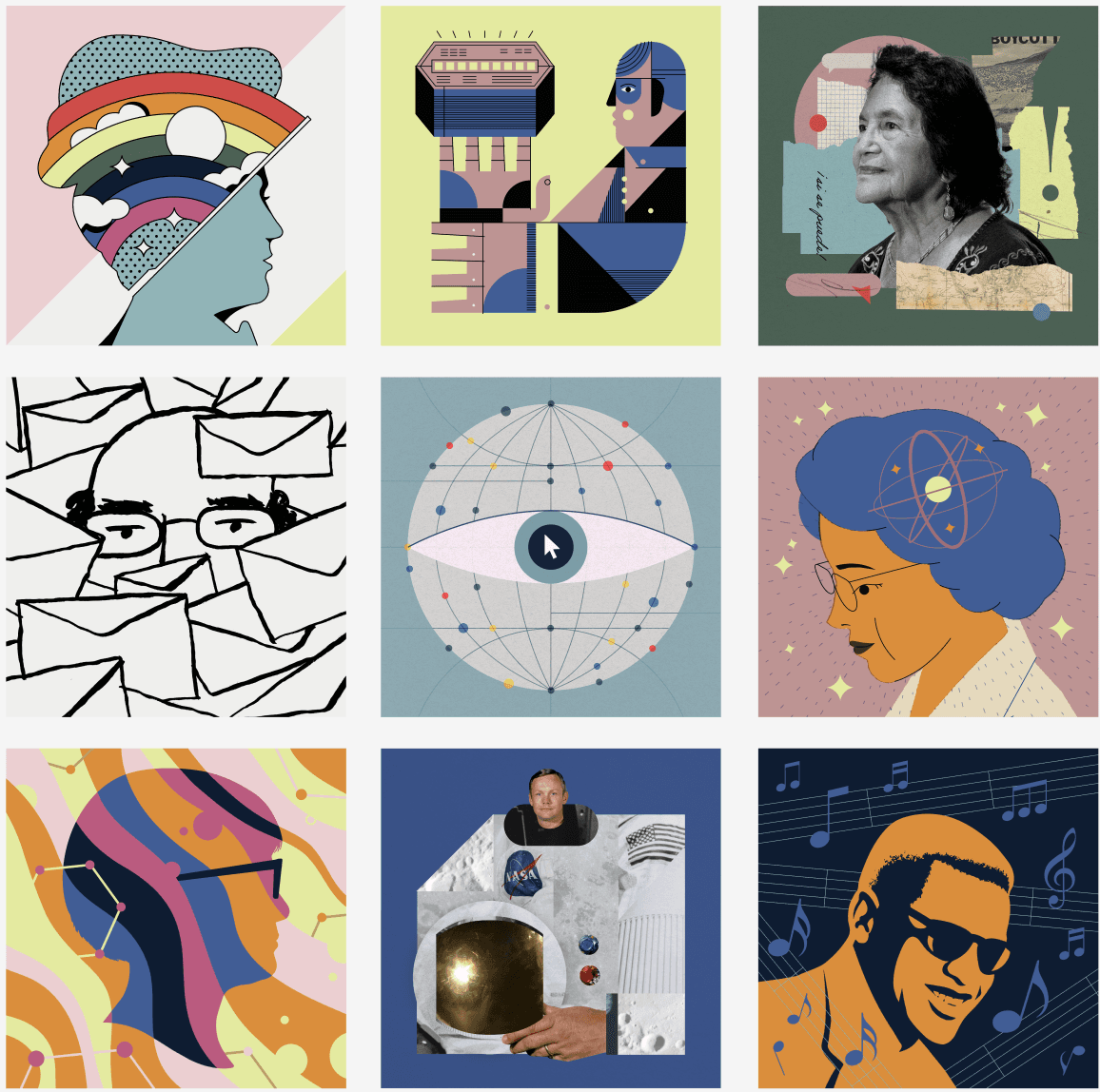
Promise not to tell anyone, but we're thinking about turning our monthly releases into an advent calendar later this year. Sounds fun, right?
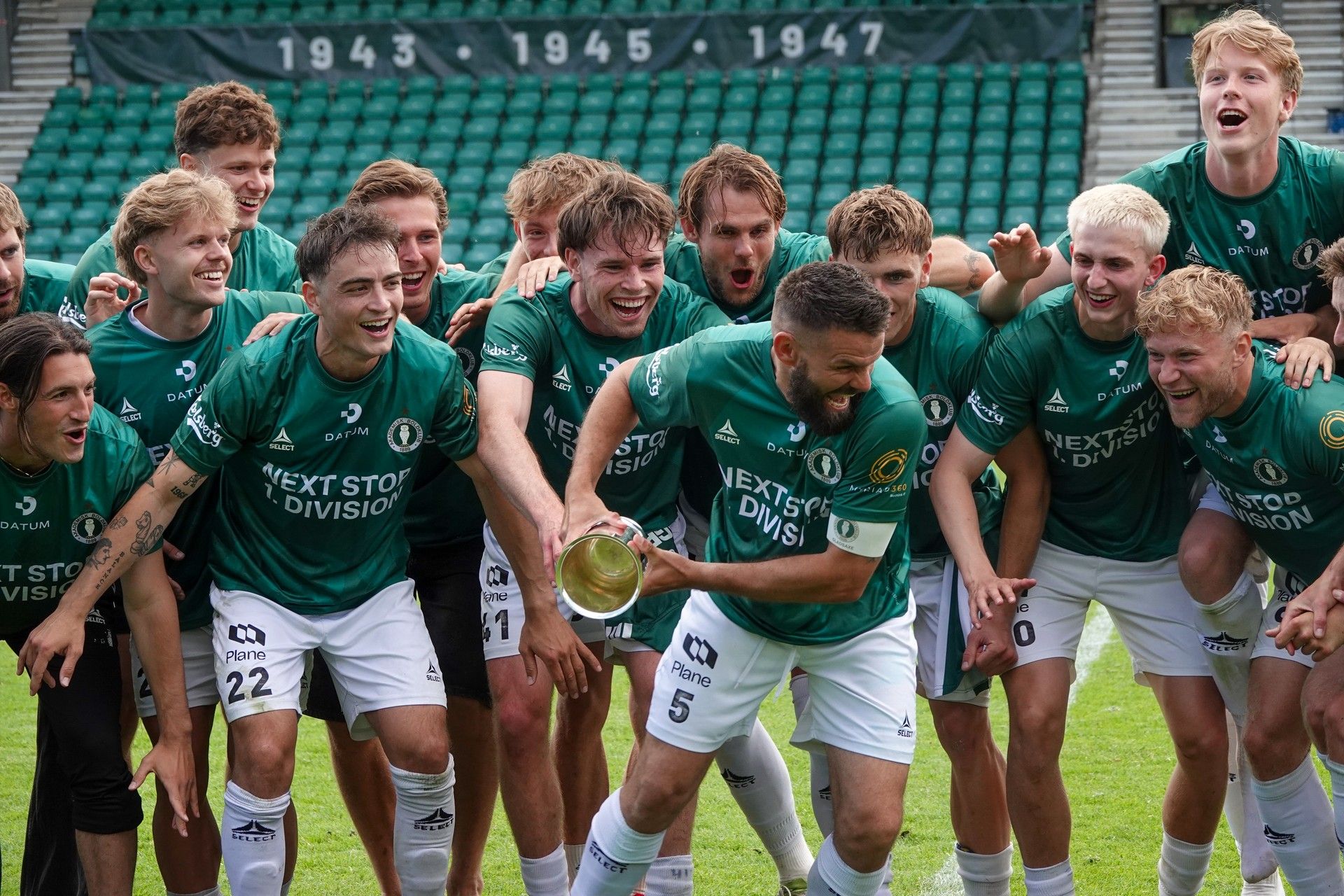
Next up, our Danish soccer team: the Academics!
Nothing screams tech marketing like a sports sponsorship. Well, as you can imagine, our ability to sponsor a Premier League team is limited, and we're not sure it would work even if we could afford it. Instead, we've leaned in with a 2nd division historic club in Denmark: Akademisk Boldklub.
Founded well over 100 years ago, AB was the original "nerd herd". It grew out of the technical institute in Copenhagen, and one of its more famous players was Niels Bohr (a talented goalie, but one who famously got distracted during games by working out formulas on the goal post).
We invested early with AB, putting up money to sponsor their kit but also bringing in other sponsors, helping to produce their first BoldFest event, hosting watch parties, and providing office space for their match announcer. More recently we took on redeveloping their website and have spent the last few weeks working with the Danish league to develop a scalable international streaming strategy for games. This is the year of Media over QUIC!!
From soccer to speedskating, obviously
We're also putting money where our mouth is and investing in people and opportunities where we've found shared values. We had the pleasure of meeting Viktor Thorup, Danish Silver Olympic Medalist now on his 2030 Olympic journey. At first glance a Speed Skating sponsorship might feel at odds with our company direction, but our core values speak for themselves: speed, resilience, curiosity and innovation.
And since we aren't buying huge numbers of eyeballs with our small sponsorship, it's all about getting creative with Viktor as he goes for his next Olympic medal, and we reach for our own lofty goals.
Micro events, produced with big energy
We're fans of The Stack, but especially the tiny but mighty team behind it (shout out to Ed and Nish!).
When they floated the idea of doing their first in-person event in the US, we raised our hand to help. From scouting locations to laying down a sponsorship, we acted as an extension of their team with a mindset of "we'll figure it out later." And while we were fortunate to be in the room with such an awesome and high powered group of folks (check out the CIO panel below and you'll see what we mean) the most valuable bit was gaining a deeper sense of partnership with The Stack team.
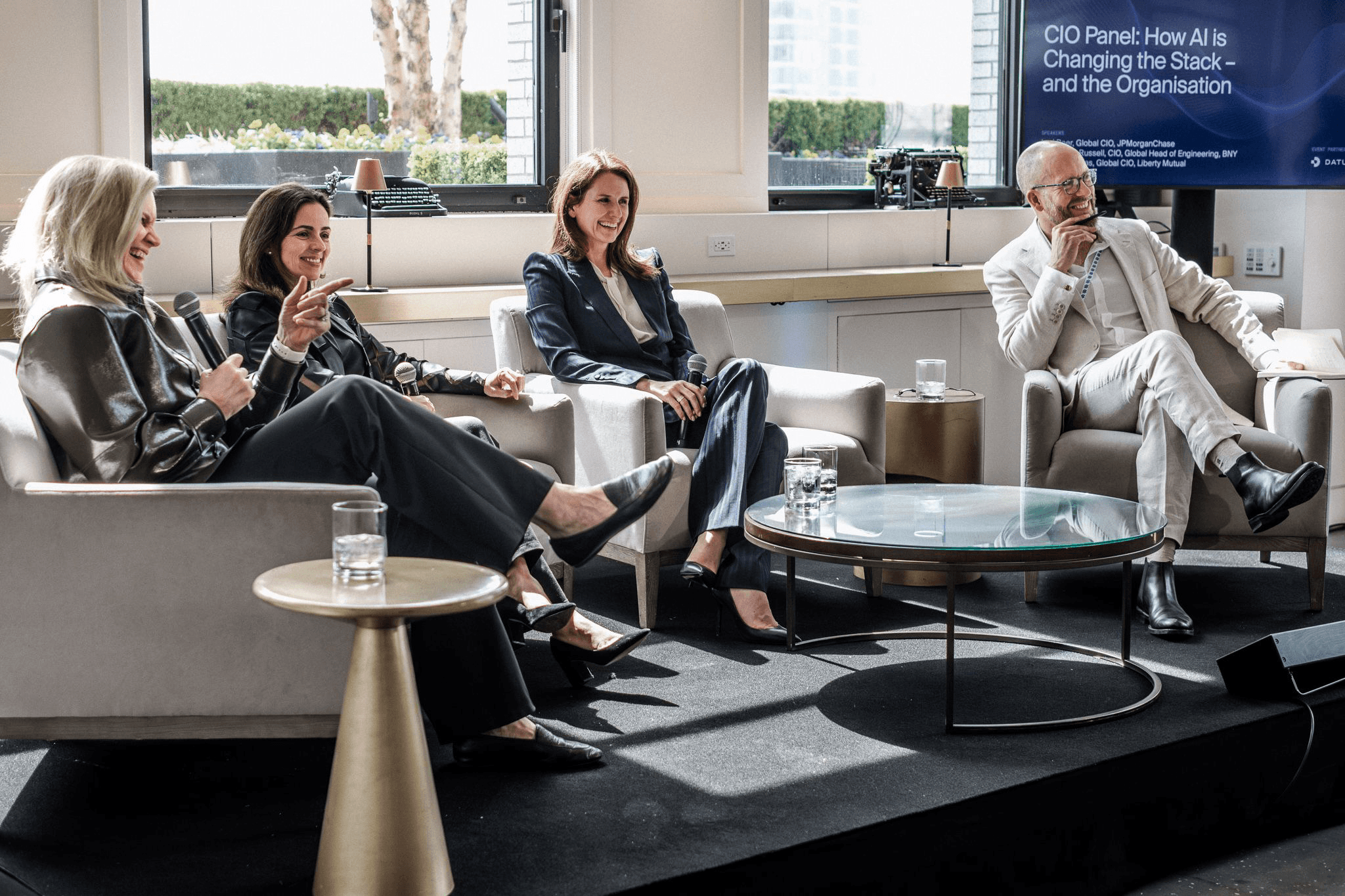
For us this isn't about leads and clicks, it's about relationships and trust. We're looking forward to London. See you there?
29 Broadway Penthouse
For almost 20 years, our co-founder and CEO Zac has maintained a small, tiny office on the top floor of 29 Broadway. Over the years it has had a lot of signs on the door: from MerchantPlus and Voxel, to Grafana Labs, the pandemic version of Packet NYC, and more.
Last Spring we got together to think about how to best utilize this space for us, but also for our community of founders and partners as well. We landed on a mixed use that includes:
- A high quality podcast and video room (demos! AB games!)
- A slick conference room that seats 10-15 people comfortably
- Flexible furniture that helps transform the conference room into a photo and video studio
While we're offering the space up for rent as needed, the main purpose is to help our friends, partners, and customers have a landing pad in NYC.
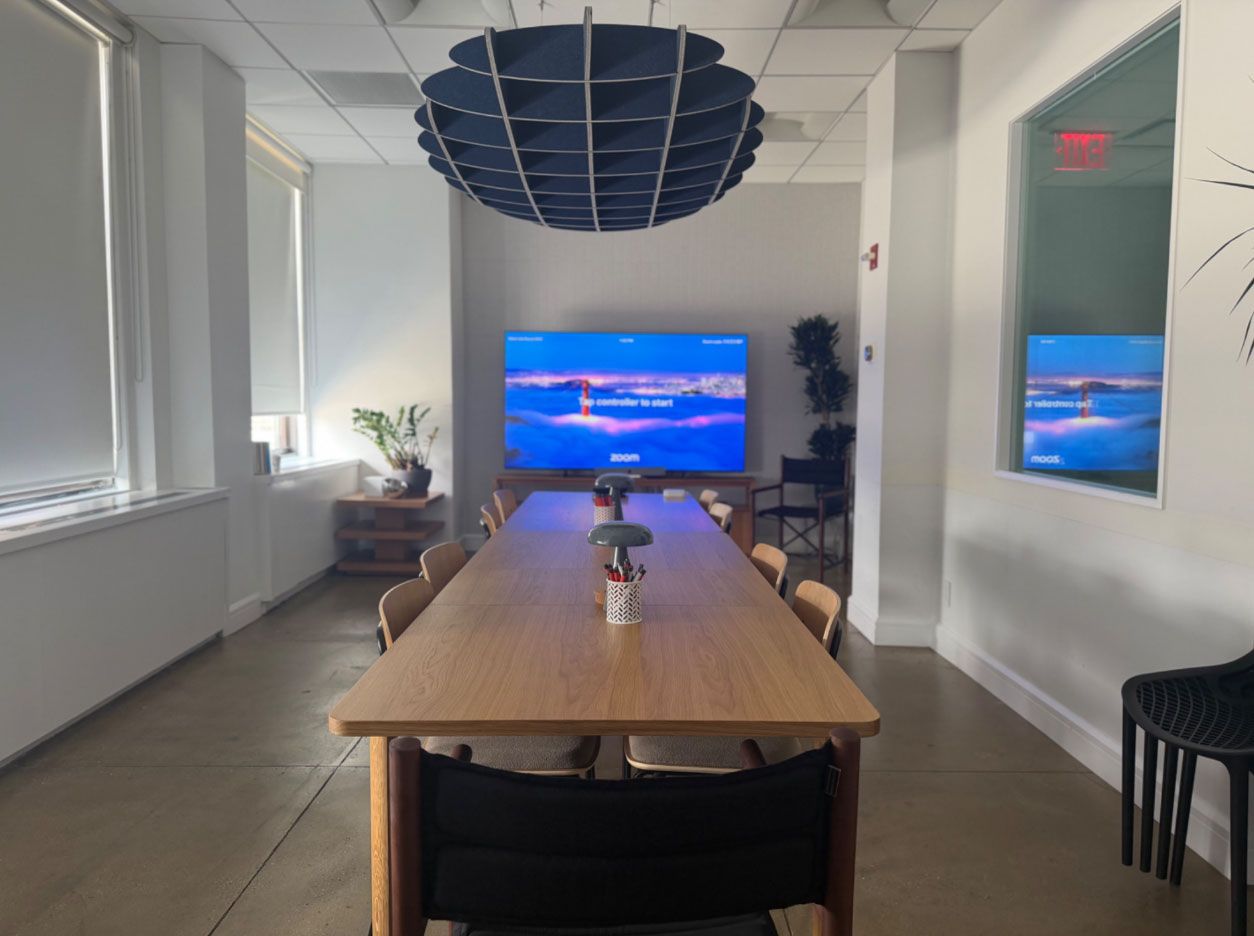
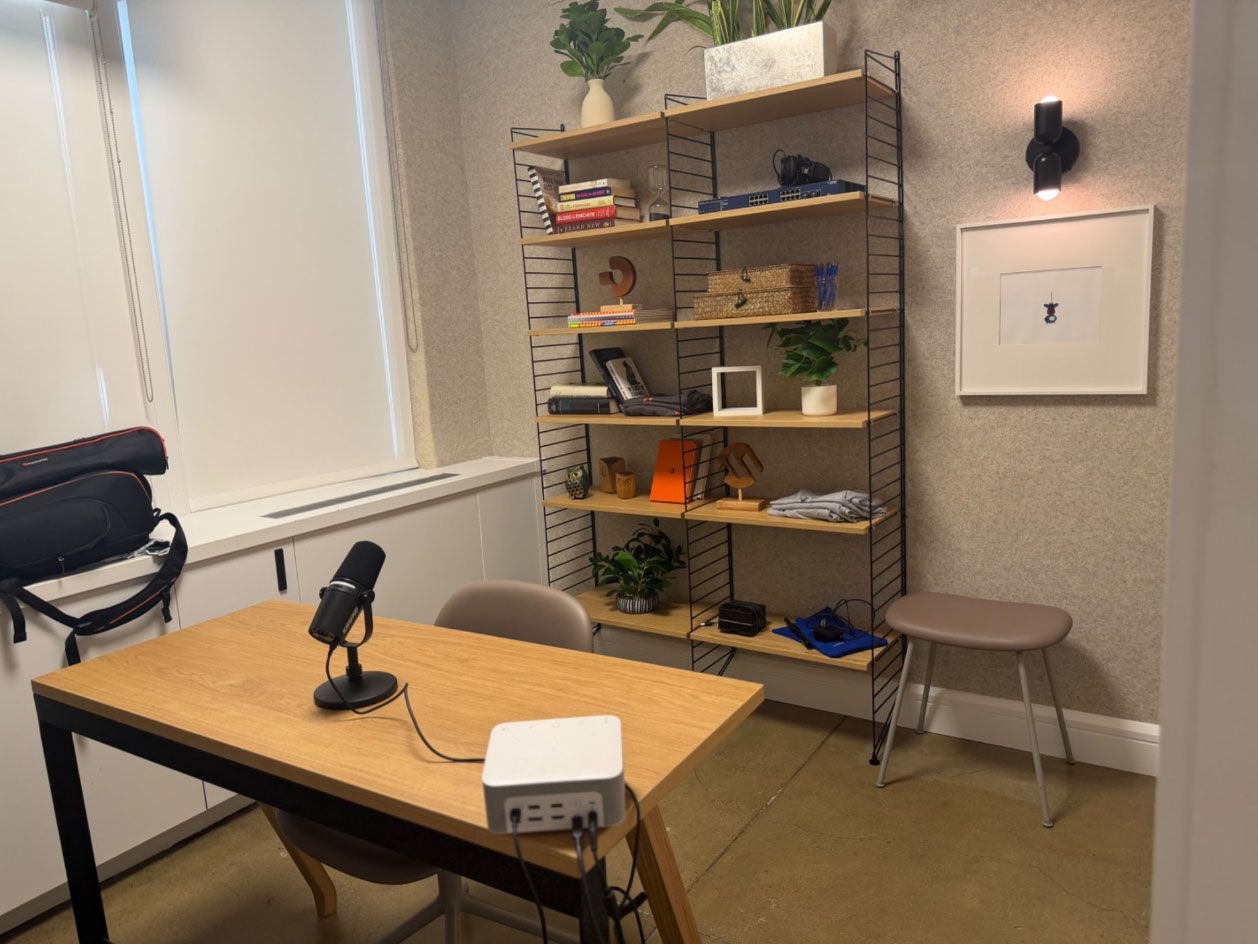
Need to do an offsite? Shoot your next launch video? Close a deal? Tap us on the shoulder and we'll hook you up.
Grandma's Bars, and more
Finally, there is nothing like saying "thank you" to bring your true fans closer. During the holiday season last year, we wanted to show gratitude and build excitement with our newly expanded group of investors and key supporters. While everyone loves a new Yeti tumbler, we wanted to show up differently.
Our answer? 30 batches of Grandma's Bars (a family favorite from Zac and Jacob's talented maternal grandmother), a recipe card, a custom-made box and a handwritten note.
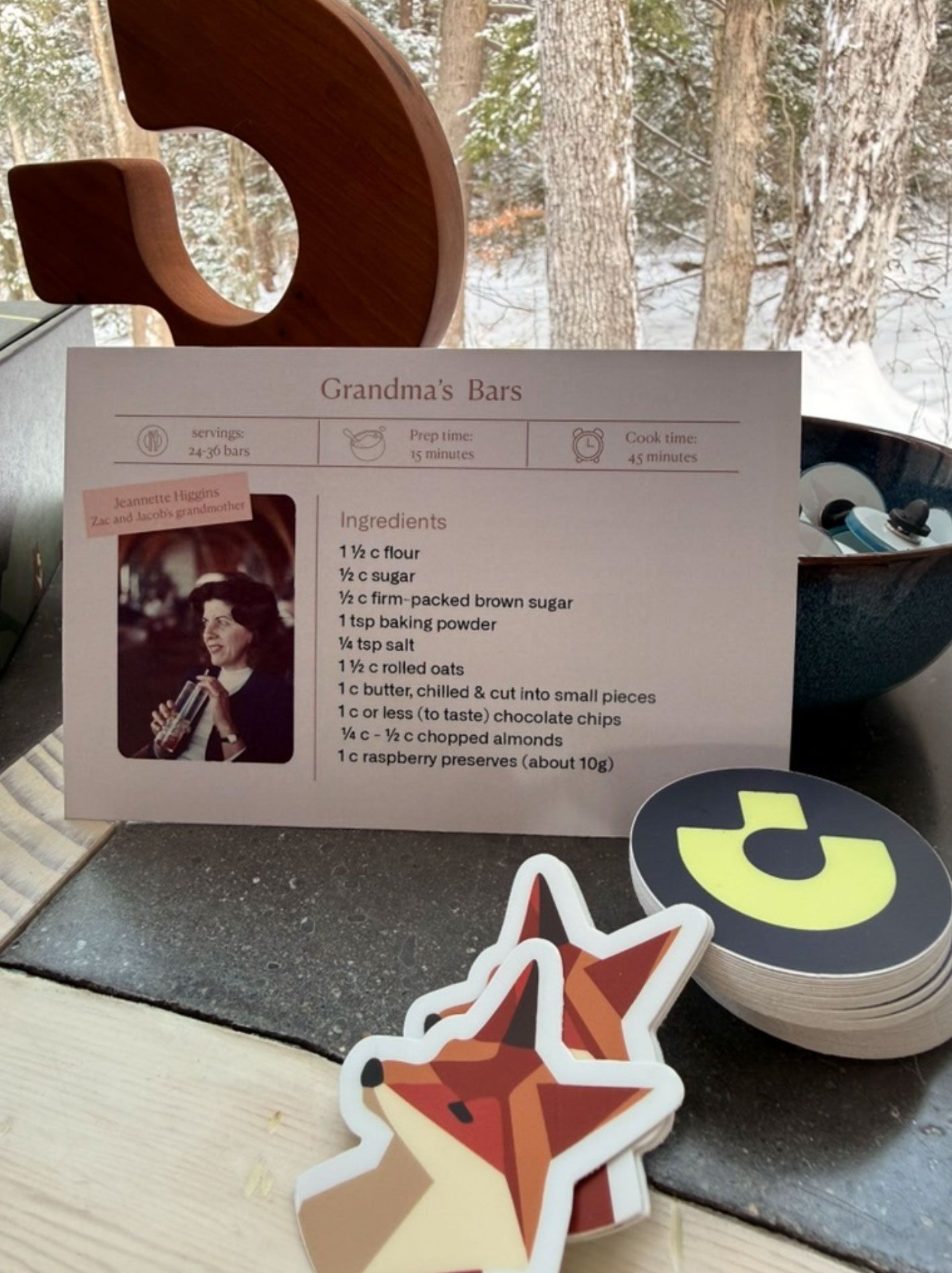
As we look at what unscalable thing to put our energy into next, we're excited to get back into helping the CNCF and broader open source community.
The good thing about unscalable marketing is that it gets easier the more you do it.